The Future of Sanitation: Why Non-Electric Onsite Sewage Treatment Systems Are Transforming Sustainable Development
Explore the benefits of non-electric onsite wastewater treatment systems for sustainable sanitation, water reuse, lower costs and environmental protection.
Dzinde ReDzinza (Pvt) Ltd
5/31/20263 min read
Introduction
Access to safe sanitation remains one of the most important challenges facing communities, residential developments, schools, lodges and commercial facilities across Africa. While conventional wastewater treatment plants often require significant electrical power, complex operation and high maintenance costs, non-electric onsite wastewater treatment systems are emerging as a practical, sustainable,and cost-effective alternative.
At Dzinde ReDzinza (Pvt) Ltd, we believe that wastewater should not be viewed as a waste product, but as a valuable resource that can be safely treated and reused while protecting public health and the environment.
What Is a Non-Electric Onsite Wastewater Treatment System?
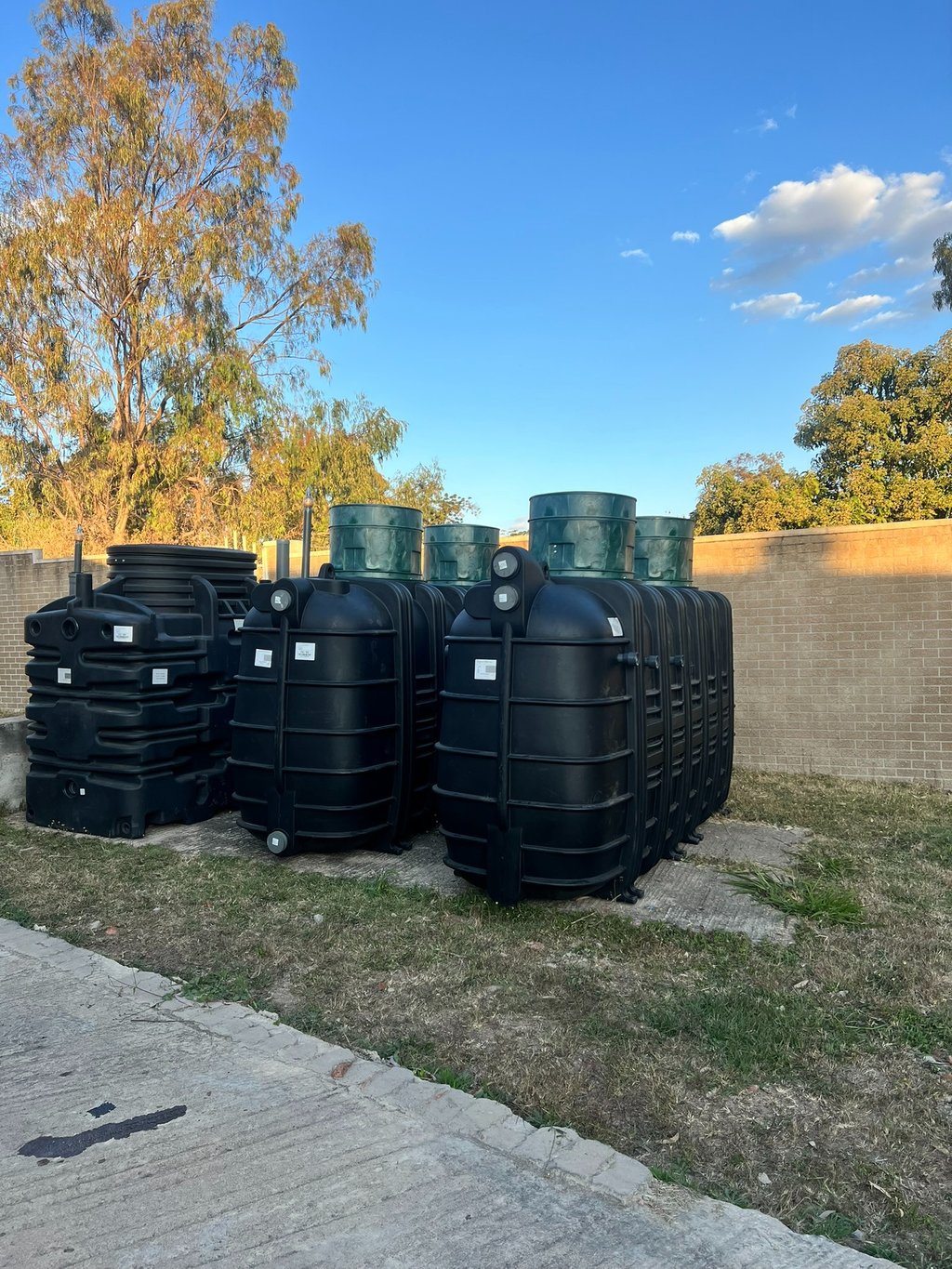
A non-electric onsite wastewater treatment system is a decentralized sanitation solution designed to treat wastewater directly at the point of generation without requiring continuous electrical power.
Unlike traditional mechanical wastewater treatment plants that rely on pumps, blowers and automated controls, non-electric systems use natural biological processes to break down pollutants and purify wastewater.
These systems can be installed at:
Individual households
Residential estates
Schools and universities
Hotels and lodges
Hospitals and clinics
Commercial developments
Remote communities
Mining and agricultural operations
How Does the Treatment Process Work?
Non-electric treatment systems utilize naturally occurring microorganisms that live within specially designed treatment media.
The process typically involves:
Primary Treatment
Wastewater first enters a septic or settling chamber where heavier solids settle to the bottom while oils and grease float to the surface. This stage removes a significant portion of suspended solids.
Biological Treatment
The partially treated wastewater flows into a biological reactor containing specialized media that supports beneficial bacteria.
These microorganisms consume and break down:
Organic matter
Biological Oxygen Demand (BOD)
Suspended solids
Nutrients
Because the bacteria receive oxygen naturally through passive ventilation, no electrical aeration equipment is required.
Final Polishing
The treated water can undergo additional filtration and disinfection to improve water quality further. Depending on local regulations and project requirements, treated water may be safely reused for:
Landscape irrigation
Groundwater recharge
Non-potable applications
Key Benefits of Non-Electric Wastewater Treatment
Reduced Operating Costs
One of the biggest advantages is the elimination of electricity consumption.
Without pumps, blowers, or mechanical aerators, operating expenses are significantly lower than conventional treatment plants.
Environmental Sustainability
These systems have a much smaller carbon footprint because they require little or no external energy.
This makes them ideal for green buildings, eco-tourism developments, and climate-conscious projects.
Reliable Performance
Power outages are common in many regions.
Because non-electric systems do not rely on continuous power supply, treatment continues uninterrupted even during load shedding or electrical failures.
Simple Maintenance
With fewer mechanical components, there are fewer parts that can fail.
Maintenance is generally limited to periodic inspections and sludge management.
Water Reuse Opportunities
Treated wastewater can be safely reused, reducing demand on municipal water supplies and supporting sustainable water management practices.
For water-scarce regions, this creates significant long-term benefits.
Supporting Sustainable Development
Proper wastewater treatment contributes directly to:
Improved public health
Environmental protection
Water conservation
Climate resilience
Sustainable urban development
It also supports several United Nations Sustainable Development Goals (SDGs), including:
SDG 6: Clean Water and Sanitation
SDG 11: Sustainable Cities and Communities
SDG 13: Climate Action
The Dzinde ReDzinza Approach
Dzinde ReDzinza (Pvt) Ltd provides sustainable onsite wastewater treatment solutions specifically designed for African conditions.
Our solutions focus on:
Low energy consumption
High treatment performance
Minimal operational complexity
Water reuse opportunities
Long-term affordability
Through our partnerships with leading international technology providers, we help households, businesses, institutions and communities implement wastewater treatment systems that are environmentally responsible and economically sustainable.
Conclusion
As water scarcity, environmental regulations, and energy costs continue to rise, non-electric onsite wastewater treatment systems represent a practical solution for modern sanitation challenges.
By combining natural biological processes with innovative engineering, these systems provide reliable wastewater treatment, lower operating costs and valuable opportunities for water reuse.
The future of sanitation is decentralized, sustainable, and energy-efficient—and non-electric onsite wastewater treatment systems are leading the way.
To learn more about sustainable wastewater treatment solutions, contact Dzinde ReDzinza (Pvt) Ltd and discover how we can help your project achieve cleaner water, lower costs and a greener future.