
Why conventional septic systems fail in Zimbabwe
Discover why conventional septic systems fail in Zimbabwe's muddy soils and how Dzinde ReDzinza (Pvt) Ltd provides sustainable wastewater solutions.
Dzinde ReDzinza (Pvt) Ltd
6/3/20263 min read
The Hidden Problem Beneath Many Homes
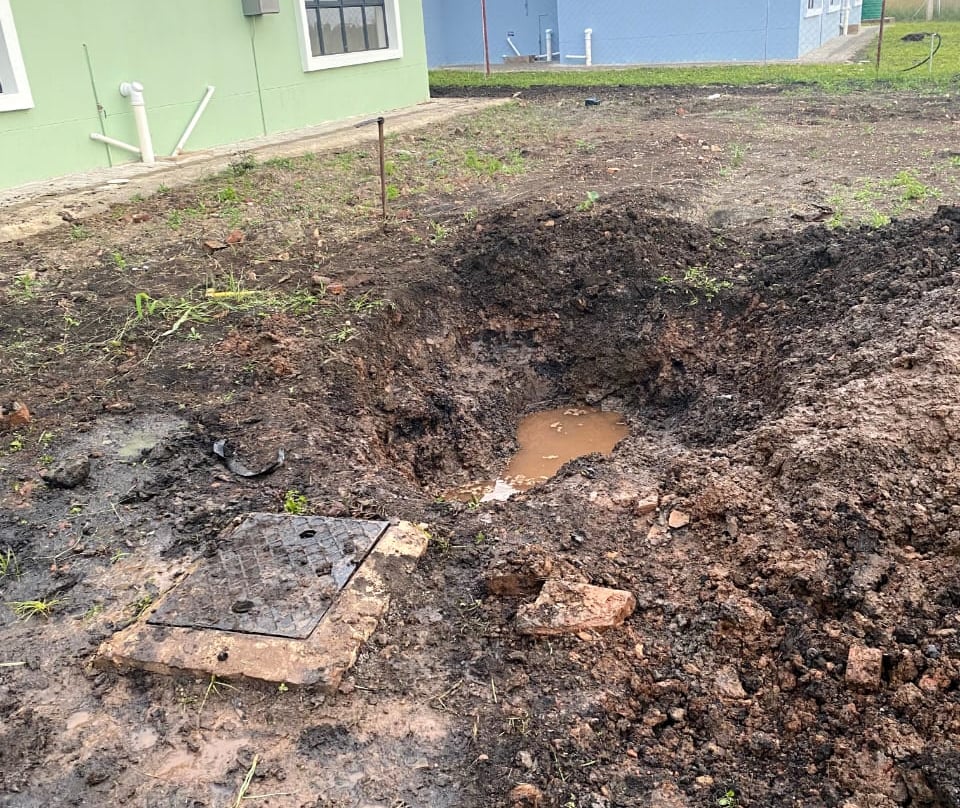
For decades, conventional septic tanks have been the default wastewater treatment solution for homes, lodges, schools and commercial developments across Zimbabwe and Southern Africa. While these systems can function adequately under ideal ground conditions, they often fail in areas with clay, muddy, waterlogged, or poorly draining soils.
The result is a growing environmental and public health challenge that many property owners only discover after experiencing sewage backups, foul odours, overflowing soakaways, or costly system replacements.
At Dzinde ReDzinza (Pvt) Ltd, we have seen firsthand how unsuitable soil conditions can turn a conventional septic system into a recurring maintenance problem. This is why we provide modern, sustainable onsite wastewater treatment solutions specifically designed to perform where traditional septic systems fail.
How Conventional Septic Systems Work
A traditional septic system consists of:
A septic tank where solids settle and partially decompose
A soakaway or drain field where wastewater infiltrates into the surrounding soil
The success of the system depends heavily on the soil's ability to absorb and naturally filter wastewater.
In sandy and well-draining soils, this process can work reasonably well.
In muddy or clay-rich soils, however, the situation is very different.
Why Muddy Soils Cause Septic Tank Failure
1. Poor Infiltration Rates
Clay and muddy soils have extremely small pore spaces between soil particles.
As a result, wastewater cannot infiltrate quickly enough into the ground.
Instead of dispersing, effluent accumulates around the soakaway, causing:
Standing water
Saturated drain fields
Surface ponding
Reduced treatment effectiveness
Over time, the system becomes overloaded and eventually fails.
2. Groundwater Contamination Risks
When a soakaway becomes saturated, untreated or partially treated wastewater can move laterally through the soil rather than vertically through a proper treatment zone.
This can contaminate:
Boreholes
Wells
Streams
Wetlands
Groundwater aquifers
For communities relying on groundwater for drinking water, this presents a serious public health risk.
3. Frequent Sewage Backups
One of the most common symptoms of septic failure is wastewater backing up into:
Toilets
Showers
Floor drains
Inspection chambers
This occurs because the drain field can no longer accept incoming effluent.
Many homeowners mistakenly believe the septic tank is full when the real problem is the saturated soakaway system.
4. High Maintenance Costs
Once a soakaway fails, many property owners resort to frequent vacuum tanker services.
This creates a cycle of ongoing expenses:
Regular desludging
Emergency call-outs
Excavation works
Soakaway reconstruction
In many cases, the total cost over several years exceeds the cost of installing a proper wastewater treatment solution from the beginning.
5. Seasonal Failures During Rainy Periods
Muddy soils become even less permeable during heavy rainfall.
During Zimbabwe's rainy season, groundwater levels rise and soil pores become saturated with water.
The septic system suddenly loses its ability to absorb wastewater, leading to:
Overflowing septic tanks
Surface sewage discharge
Odour complaints
Environmental pollution
Many systems that appear functional during the dry season fail dramatically during periods of prolonged rainfall.
The Dzinde ReDzinza Solution
Rather than relying on the soil to perform wastewater treatment, Dzinde ReDzinza provides advanced onsite wastewater treatment systems that treat sewage before discharge or reuse.
Our solutions include:
DRD Eco-Septic™ Systems
The DRD Eco-Septic™ is a multi-chamber treatment system designed to:
Improve solids separation
Enhance biological treatment
Reduce sludge accumulation
Produce significantly cleaner effluent than conventional septic tanks
This allows the system to function more effectively in challenging soil conditions.
BIOROCK Non-Electric Wastewater Treatment Systems
As the Zimbabwe partner for BIOROCK technology, Dzinde ReDzinza offers advanced non-electric wastewater treatment systems that:
Require no electricity
Have low operating costs
Produce high-quality treated effluent
Reduce desludging frequency
Operate effectively in areas where conventional soakaways fail
The treated water can often be safely reused for landscape irrigation in accordance with local environmental regulations.
Cluster and Estate Wastewater Solutions
For:
Housing developments
Schools
Hotels
Lodges
Institutional facilities
Dzinde ReDzinza (Pvt) Ltd designs decentralized wastewater treatment systems capable of serving multiple properties while minimizing environmental impact.
Water Reuse: Turning Wastewater Into a Resource
One of the biggest limitations of conventional septic tanks is that they treat wastewater as waste.
Dzinde ReDzinza (Pvt) Ltd views wastewater as a valuable resource.
Our treatment systems can support:
Landscape irrigation
Garden watering
Green space maintenance
Water conservation initiatives
This reduces pressure on municipal water supplies while supporting sustainable development
Environmental Compliance Matters
Environmental regulations across Southern Africa are becoming increasingly focused on protecting water resources.
Failing septic systems can expose property owners and developers to:
Regulatory penalties
Environmental liabilities
Community complaints
Reputational damage
Dzinde ReDzinza designs solutions that help clients achieve higher levels of wastewater treatment and environmental compliance with the Zimbabwe Environmental SI 6 of 2007 (Effluent and Waste Water Regulations)
Choosing the Right System for Your Site
Every property is different.
Factors such as:
Soil type
Groundwater levels
Occupancy
Water consumption
Available land area
must all be considered before selecting a wastewater treatment solution.
This is why Dzinde ReDzinza conducts site-specific assessments and designs systems tailored to local conditions rather than applying a one-size-fits-all approach.
Conclusion
Conventional septic tanks were never designed for every soil condition. In muddy, clay-rich, or waterlogged environments, they often become a source of recurring maintenance problems, environmental pollution, and unnecessary costs.
By combining modern wastewater treatment technology, sustainable design principles, and local expertise, Dzinde ReDzinza (Pvt) Ltd provides reliable alternatives that work where traditional septic systems fail.
Whether you are building a new home, developing a housing estate, managing a school, or operating a commercial facility, choosing the right wastewater treatment solution today can save significant costs while protecting the environment for future generations.
Need Assistance?
Dzinde ReDzinza (Pvt) Ltd specializes in:
Onsite wastewater treatment system
BIOROCK non-electric sanitation solutions
Sustainable water reuse systems
Cluster development wastewater treatment
Water infrastructure solutions
Renewable energy recovery technologies
Contact our team today for a site assessment and customized wastewater treatment solution.